Payment providers make natural small-business lenders because they already see the one thing a bank struggles to verify: how a business is trading right now. Every card payment a merchant takes is a live signal of its sales. That data lets a payments provider offer pre-approved financing inside its own product, pay it out in minutes and link repayments to sales. Teya’s launch with finmid in Croatia and Hungary shows how this works in practice.
Summary
-
•
Banks lend on credit history and collateral. Many healthy small businesses, especially in Central and Eastern Europe, have little of either
-
•
Payment providers see daily sales, so they can assess a business on how it trades today
-
•
With embedded lending, a payments provider can offer financing inside its own app without becoming a lender itself
-
•
Teya merchants in Croatia and Hungary now get financing paid out in a median of three minutes, with more than 500 merchants financed so far and an NPS of 86
Why do healthy small businesses struggle to borrow?
Think of a café in Zagreb or a salon in Budapest. It takes card payments every day, its sales are steady, and it wants to buy new equipment or stock up before a busy season. To a bank, though, it can look like a risk: a short credit history, little collateral, and a loan application that sits in a queue.
That’s the picture across much of Central and Eastern Europe (CEE), where small businesses face limited credit histories, insufficient collateral and slow bank processes, and where the debt financing gap is among the highest in the EU. The problem usually isn’t the business. It’s what the lender can see.
What does a payments provider see that a bank doesn’t?
A bank looks at last year’s accounts. A payments provider sees this morning’s sales. That difference changes three things.
-
1.
How the business is assessed
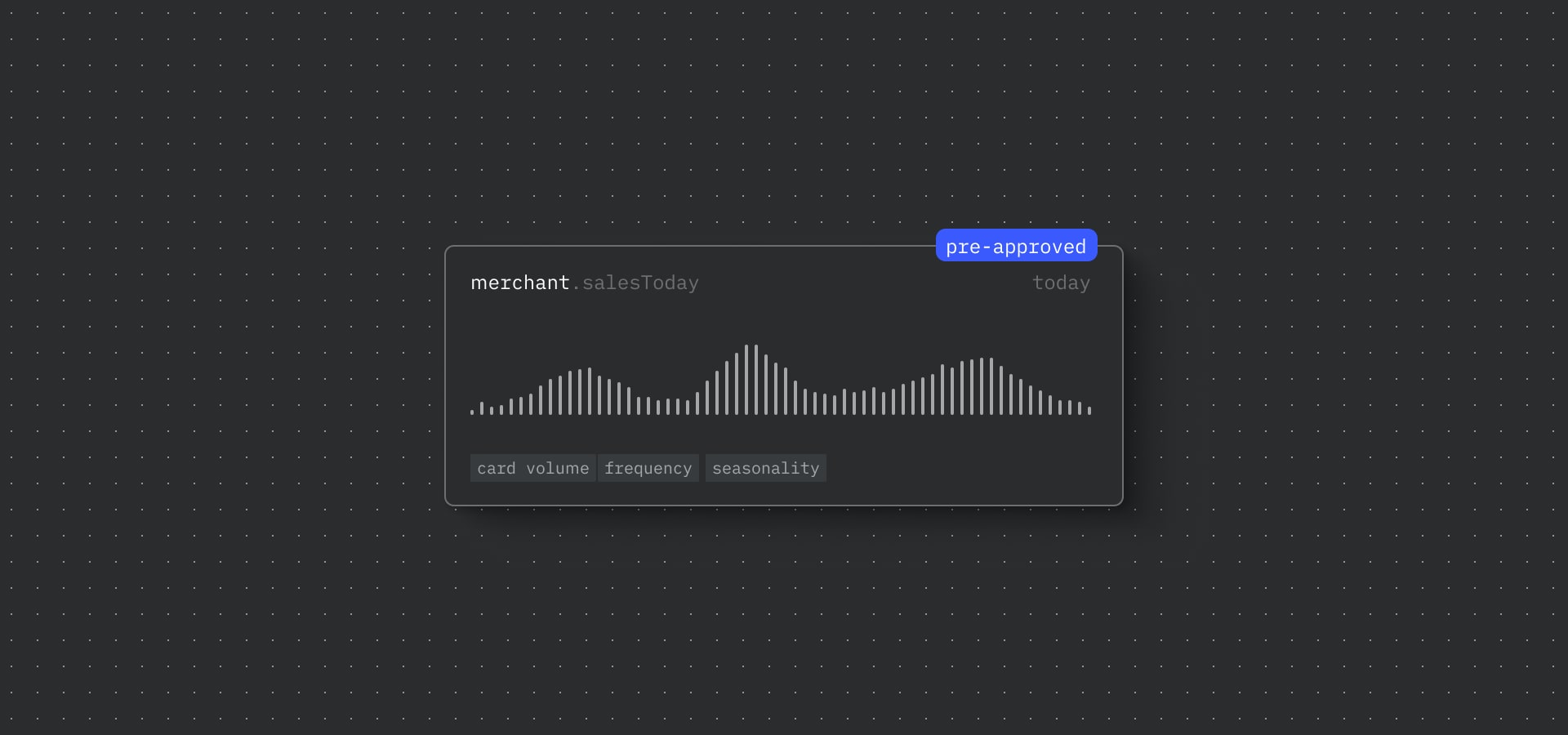
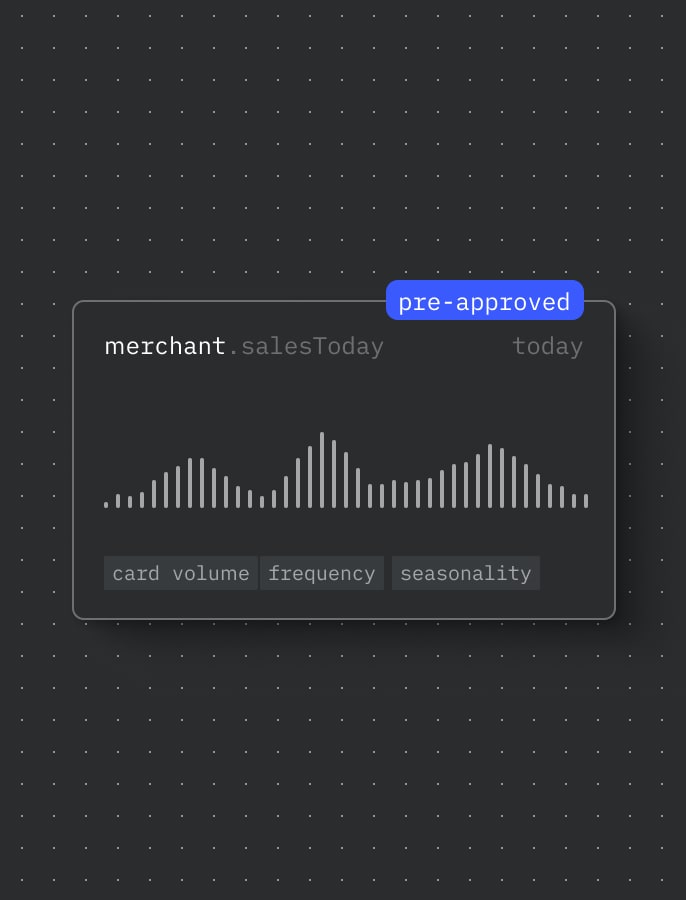
Card volumes, transaction frequency and seasonality show how a business is performing in real time. A payments provider can use that data to pre-approve financing, so a merchant is judged on how it trades now, not only on its credit file.
-
2.
How fast the money arrives
Because the offer is pre-approved and sits inside the app the merchant already uses, there’s no separate application. Teya merchants receive funds in a median of three minutes.
-
3.
How repayments work
Repayments can be linked to sales, so they follow the merchant’s revenue instead of a fixed schedule that ignores a slow month. For seasonal businesses such as cafés, shops and salons, that matters.
Bank loan vs financing through a payments provider
| Traditional bank loan | Embedded financing through a payments provider | |
|---|---|---|
| Assessed on | Credit history, collateral, past accounts | Live sales data the provider already processes |
| How to apply | Separate application and documents | Pre-approved offer inside the app the merchant already uses |
| Time to funds | A separate, slower process | Minutes (Teya: median of three minutes) |
| Repayments | Usually a fixed schedule | Linked to sales |
Assessed on
How to apply
Time to funds
Repayments
What Teya’s launch in Croatia and Hungary shows
Teya serves more than 75,000 local businesses across Europe with payments, business accounts and expense management. Through its partnership with finmid, eligible merchants in Croatia and Hungary can now access pre-approved financing inside the Teya platform. More than 500 Teya merchants have been financed so far, they rate the experience with an NPS of 86, and a pilot programme has since launched in Portugal. (Read the launch announcement.)
Teya keeps the merchant relationship. finmid provides the lending infrastructure behind it: underwriting, compliance, servicing and capital.
What does a payments provider need to offer financing?
Not a lending business of its own. With embedded lending, a payments provider brings three things:
-
•
Its merchants
The relationship and the place in their day-to-day workflow
-
•
Its data
The transaction history that makes underwriting possible
-
•
Its product surface
The app or dashboard where offers appear
An embedded lending partner such as finmid handles the rest: credit decisions, regulated lending, servicing, collections and the capital itself. One integration covers it.
It pays off on both sides. Across finmid programmes, merchants typically see up to 45% uplift in sales, and 80% go on to renew their financing. Platform partners using finmid then see a 70% reduction in churn. (More on how this works in our guide to embedded lending.)
Three questions if you run a payments platform
-
•
What do you already know about your merchants?
If you process their payments, you already hold the most useful signal a lender can get
-
•
Where are your merchants underserved?
In markets where bank lending to small businesses is scarce, a financing offer inside your product meets a need that would otherwise go unmet
-
•
How much do you want to run yourself?
You can offer financing without taking on underwriting, licensing or capital
Talk to our team about what embedded lending could look like on your platform.
Frequently asked questions about embedded lending for payment providers
finmid is the embedded lending infrastructure powering platform growth. With its API, finmid enables platforms to launch tailored financing products for their business customers at scale. Across industries, borders, and business models, finmid drives revenue, improves retention, and fuels core business growth. finmid is trusted by Europe’s most ambitious platforms, including Wolt, Delivery Hero, Just Eat Takeaway, Glovo, and FREENOW. Learn more at finmid.com.